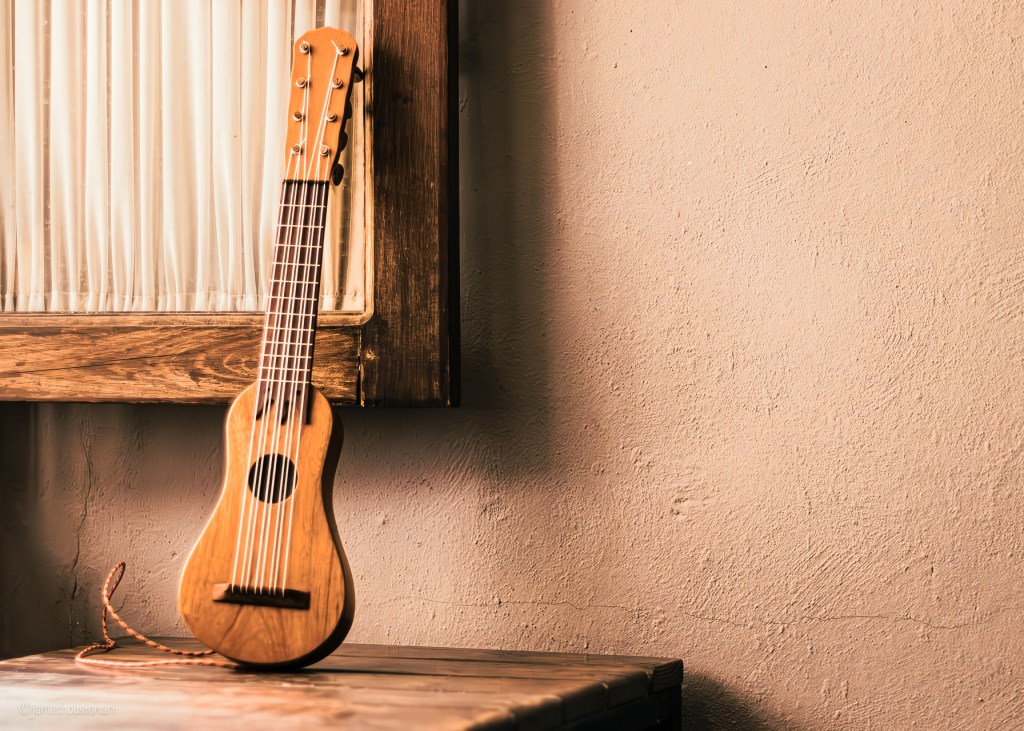
Hernán Cortés landed in what is now Veracruz, México in February 1519 igniting, in addition to wars, indoctrination, pestilence and such, an immigration wave into that part of the Americas. This resulted in the introduction to the indigenous Nahuatl people stringed instruments such as the vihuela and baroque guitar, adapted and adopted into the folk-poetry music of the region in the form of the jarana jarocha, which became the regional music tradition known as Son Jarocho.
While other instruments contribute to the Son Jarocho genre (such as the requinto, leona & arpa), it is the jarana that anchors the cadence and pulse of the music. My introduction to this music was due to a chance encounter with a Fandango (any gathering of Son Jarocho musicians) in Plaza de Armas, Querétaro, México two years ago. I now own two jaranas and am enveloped into that community each time I am back in México. Lucky me.
Both of my jaranas, a “Primera” and a “Mosquito,” (small, smaller) were constructed by Julio Blas, a laudería (instrument builder) located in Santiago Tuxtla, Veracruz, México. The traditional construction entails carving out a single block of wood (cedar, mahogany) for the body and affixing a top, fingerboard, nut, bridge and tuning pegs. The music is vibrant, poetic and sung verses are often improvised, reflecting the people and the landscape. In addition, “La Versada” is introduced by a singer as a personal story or to honour guests.
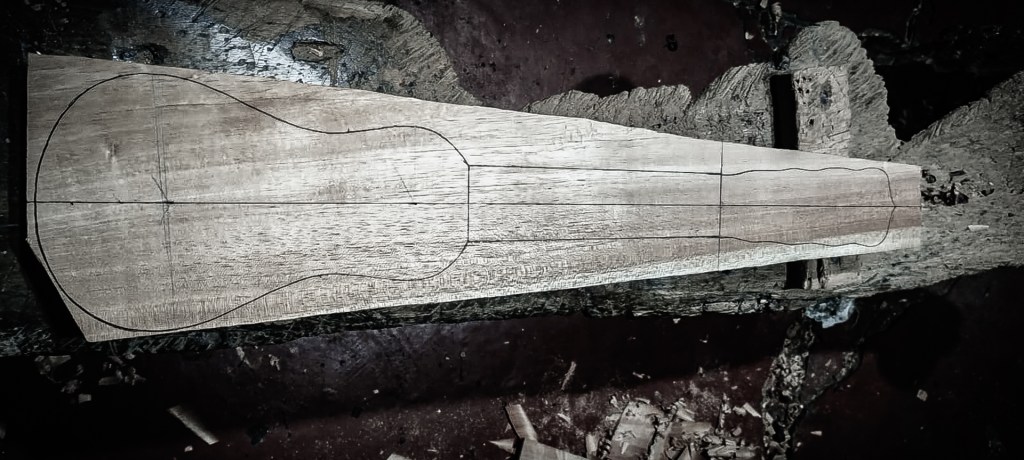
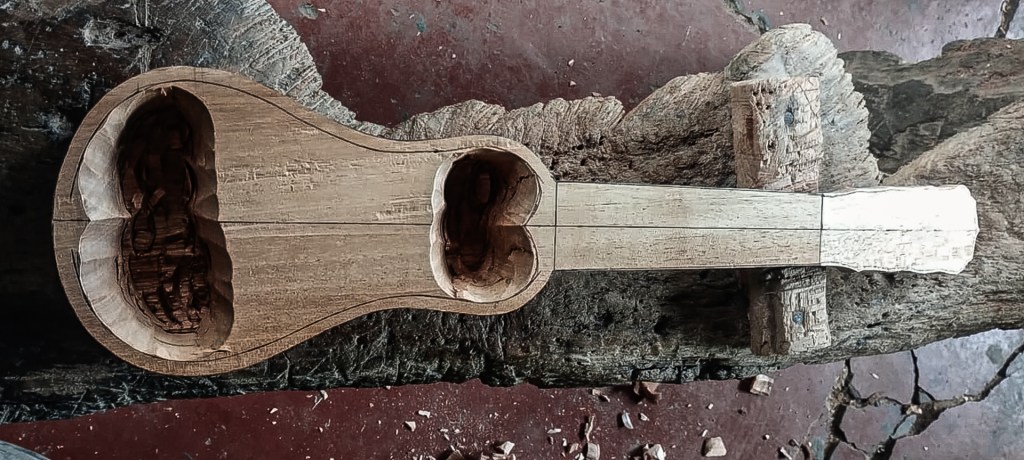
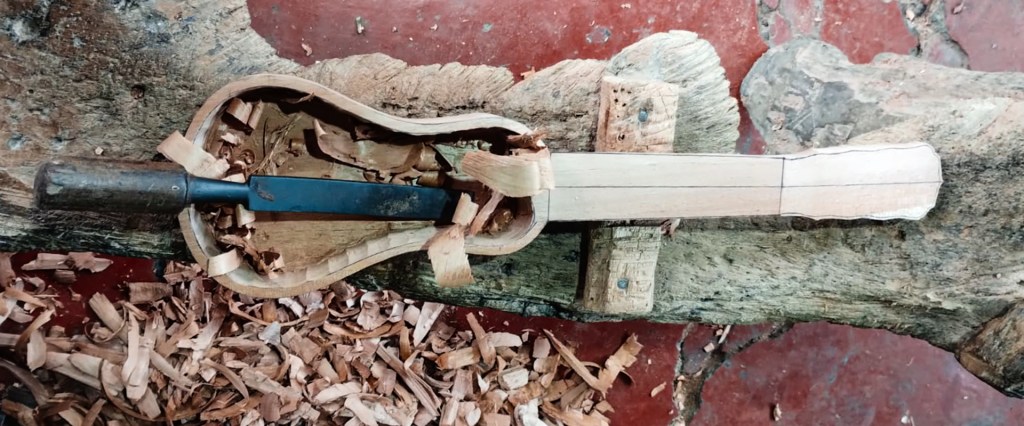
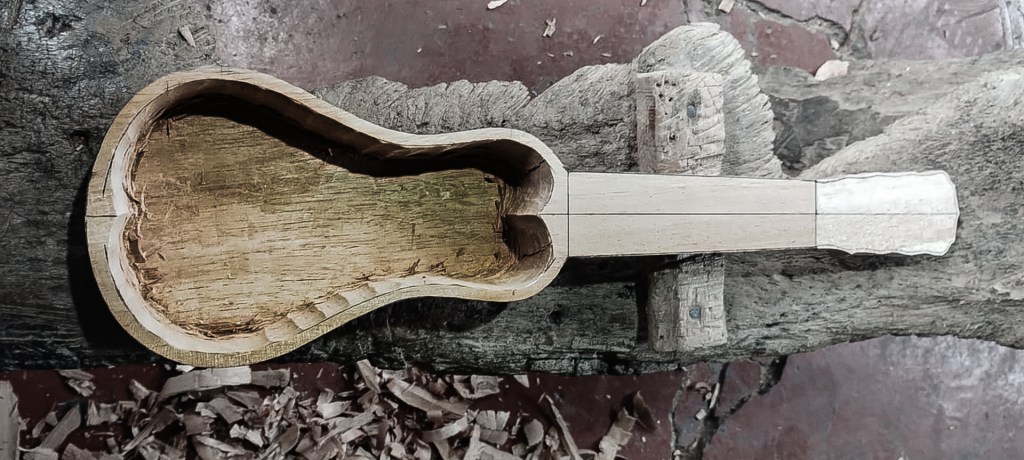
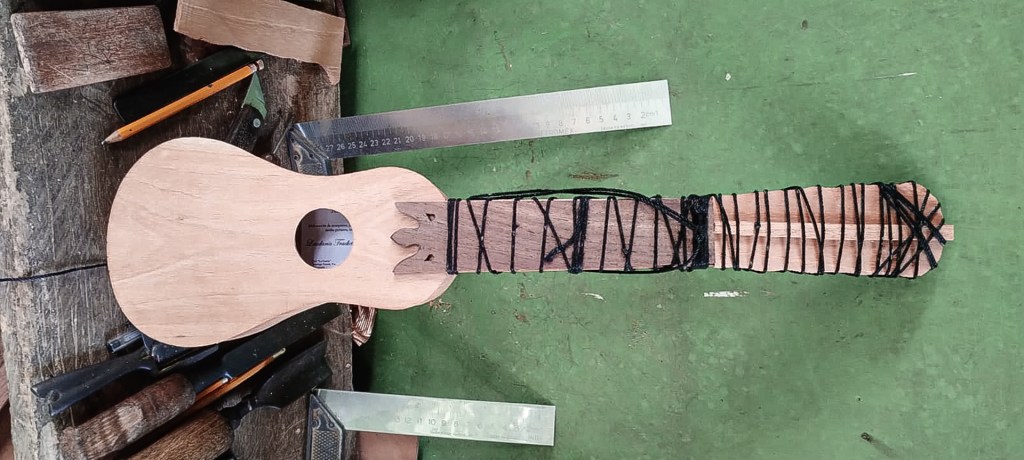
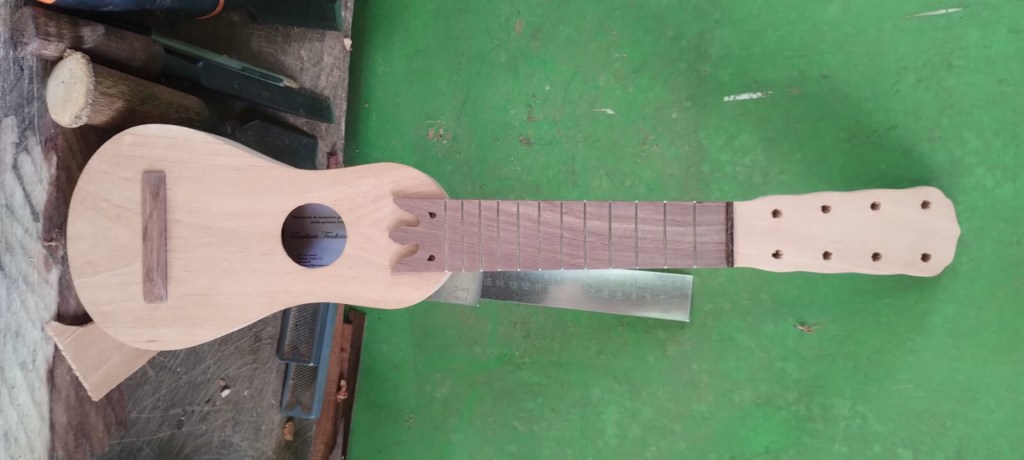
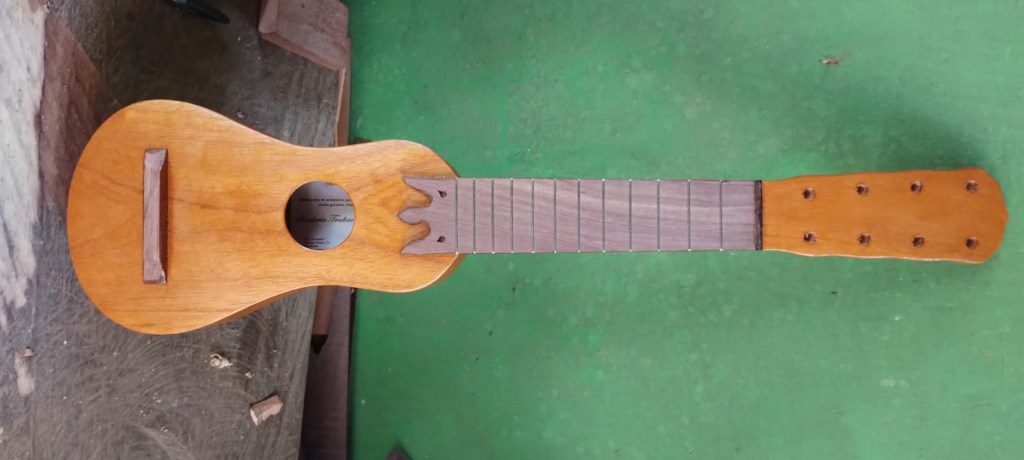
This “Mosquito” jarana measures 51x13x4.5 cm, punches above its’ weight and fits in a standard, airline-approved carry-on suitcase. It is a marvel of traditional (hand-tooled) artisanship. I made one adjustment… replacing the traditional “fishing line” with Aquila Nylgut™ soprano ukulele strings.
The Son Jarocho repertoire is vast – from La Guacamaya (Macaw), La Bruja (Witch), El Siquisirí (an introductory song) and La Bamba (but, not that La Bamba) containing many, many verses traded off between singers with some “call & response” lines.
Yo soy, siempre y en todo momento, un estudiante y agradecidos a Los Jaraneros de Querétaro. ¡Viva Son Jarocho! Salud.
 JAMES HOUSTON ARTS
Leave a comment